
The Perceptive Shift: What Shenzhen Revealed About China’s Creative Future
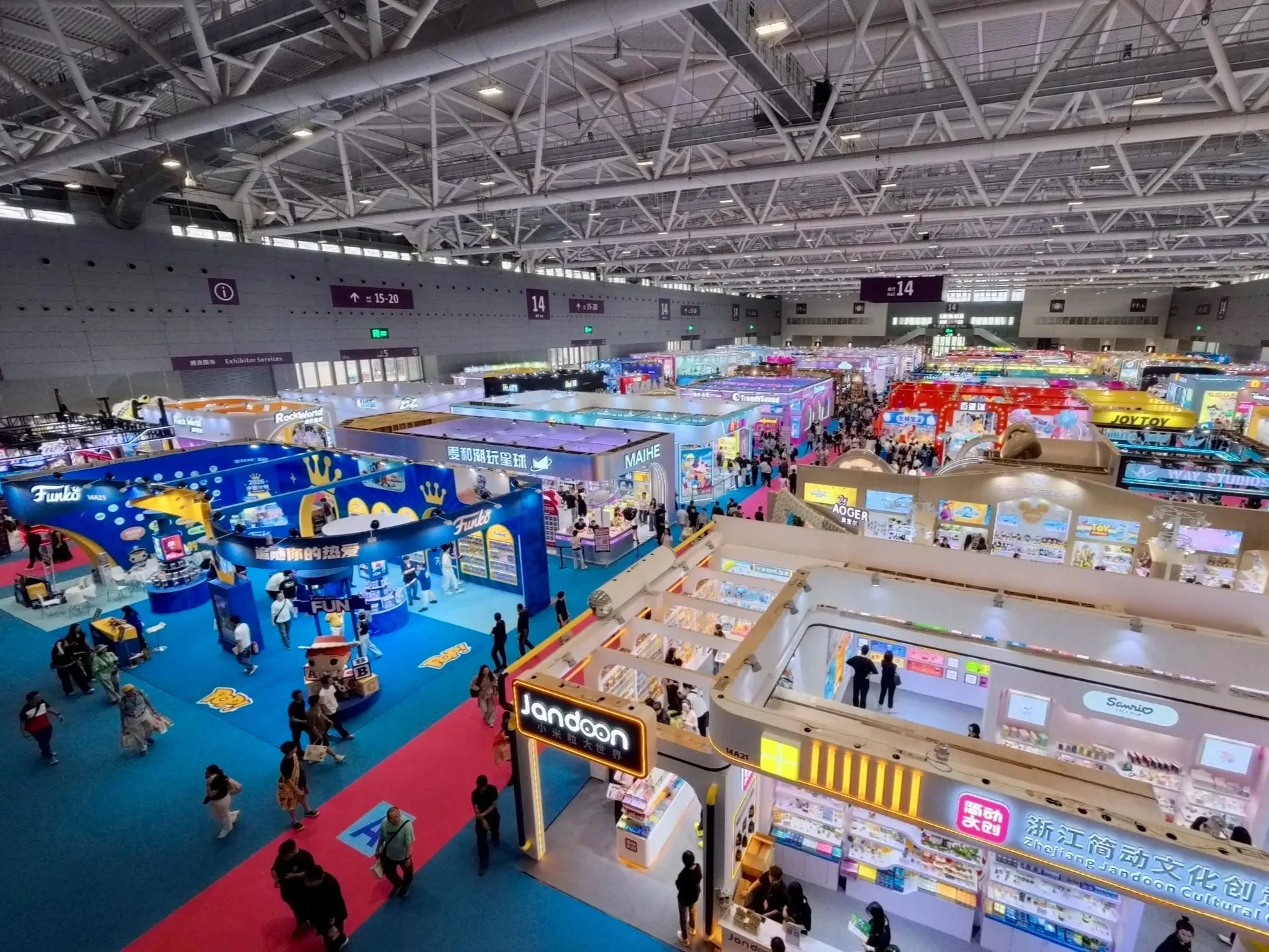
After walking 20,000 steps across the Shenzhen International Toy & Hobby Fair, one observation stayed with me: China's creative industries are undergoing a significant transformation in how products are designed, experienced and valued.
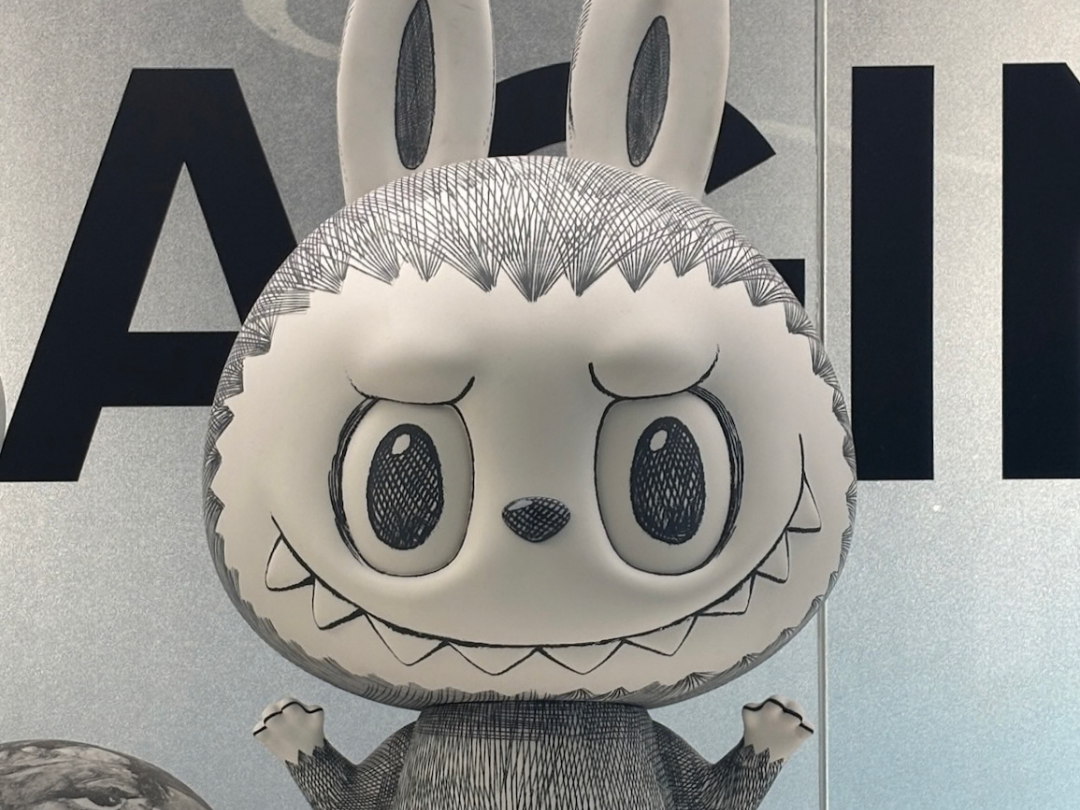
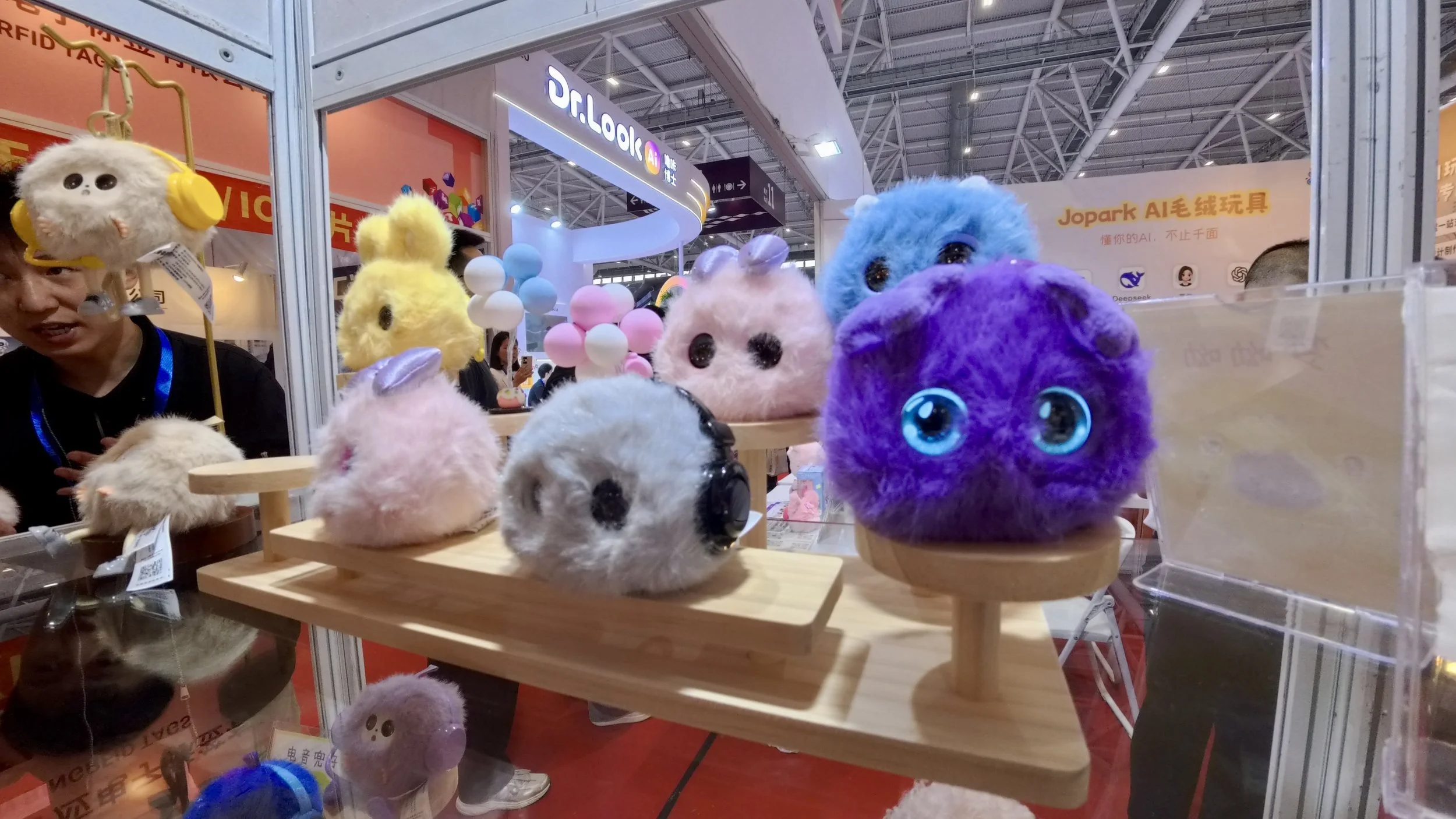
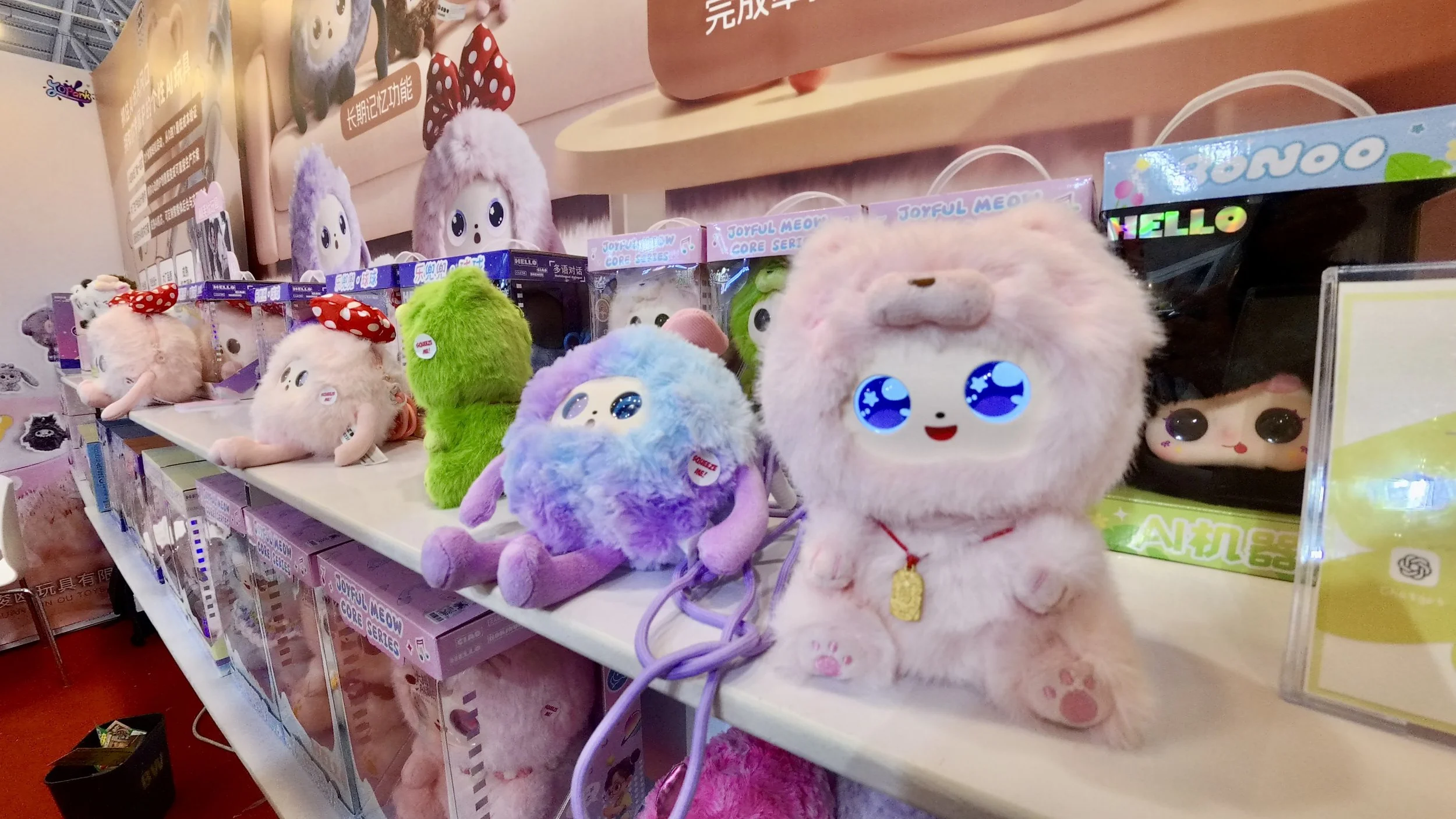
At first glance, the fair was dominated by “healing” aesthetics — soft textures, plush toys and emotionally comforting designs. Yet beyond the appeal of collectibles, another development was gaining momentum: the integration of artificial intelligence and interactive technologies into consumer products.
What is changing is not simply how products look, but what consumers expect them to do.
1. From Products to Companions
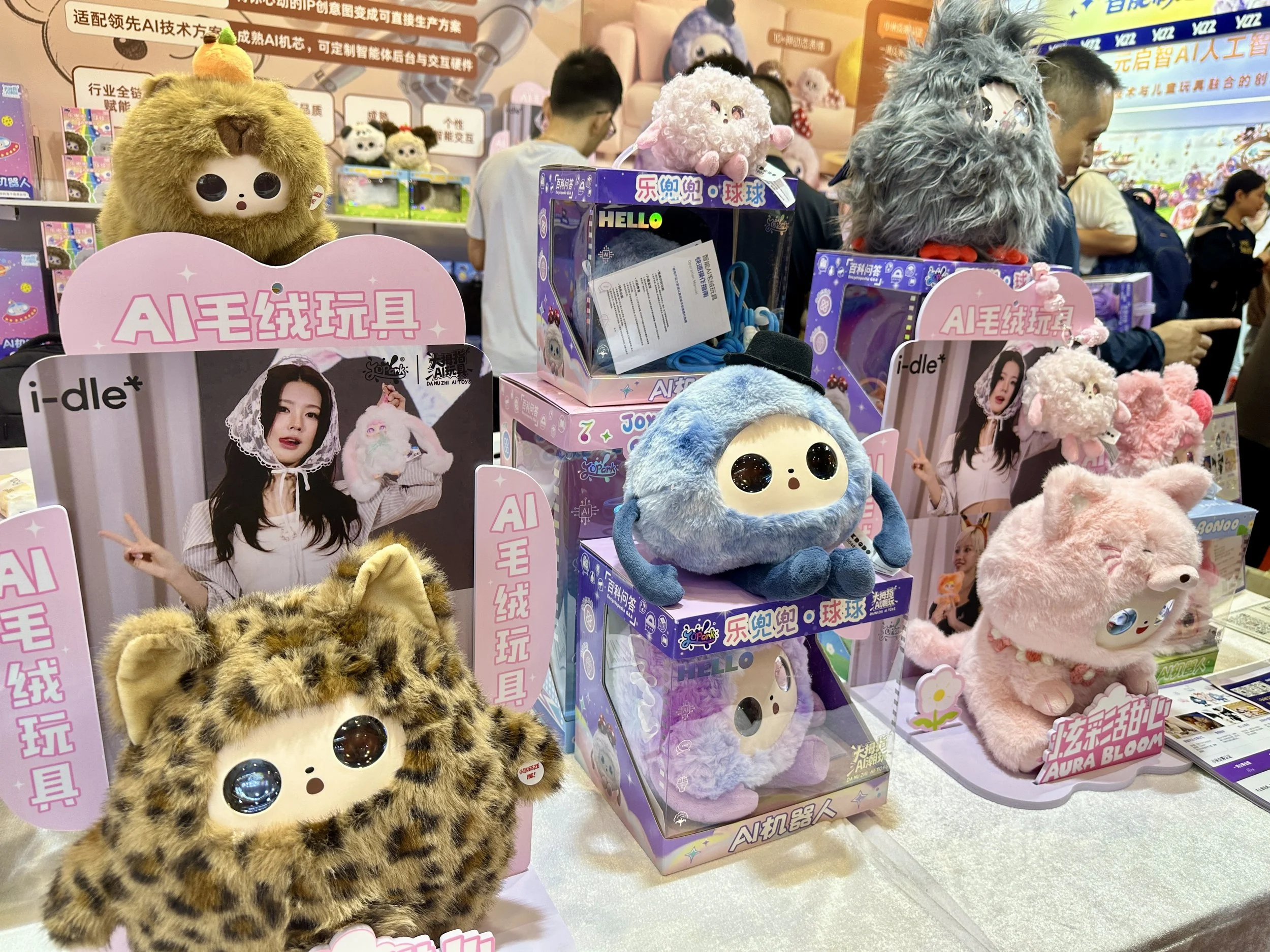
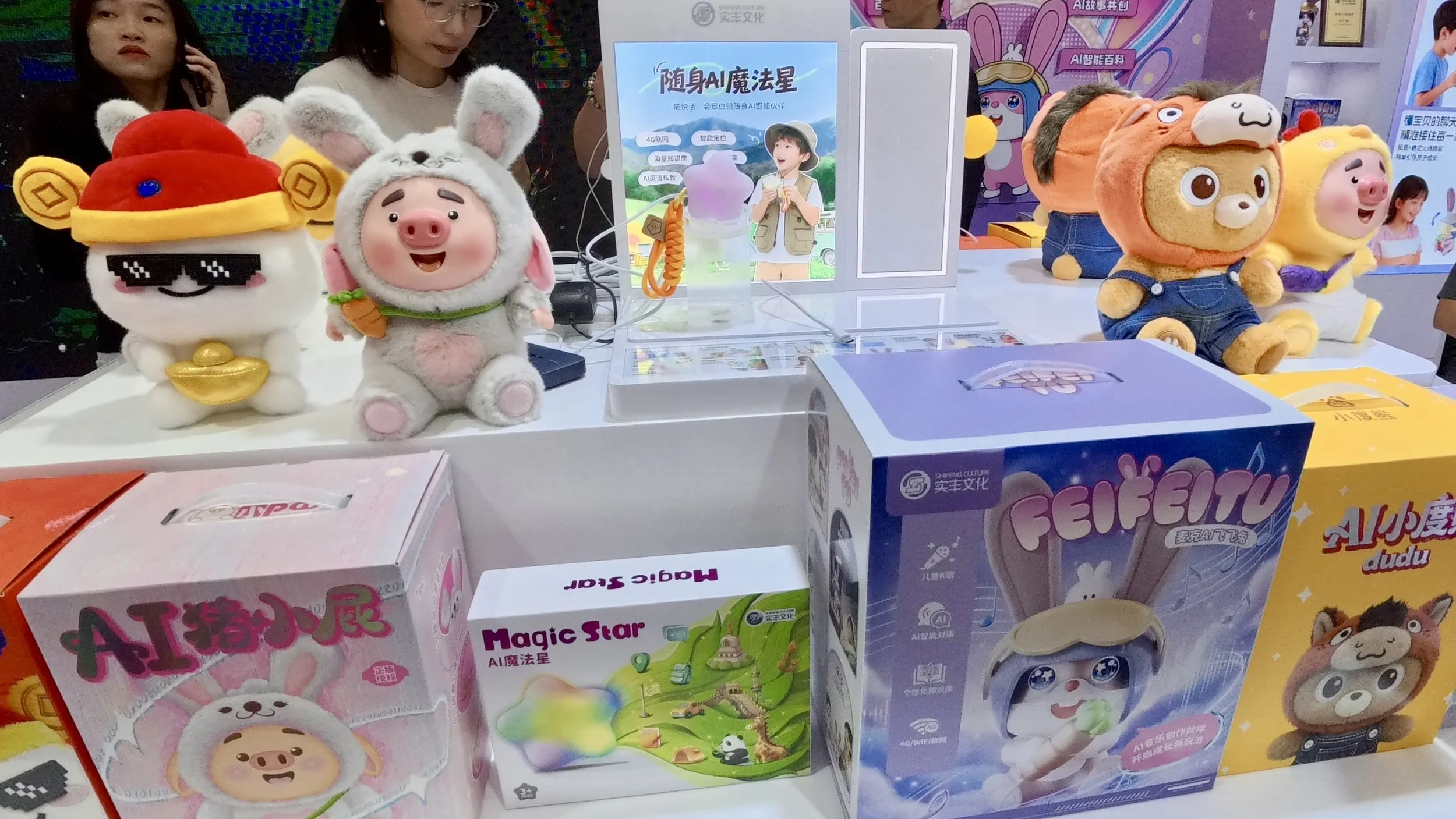
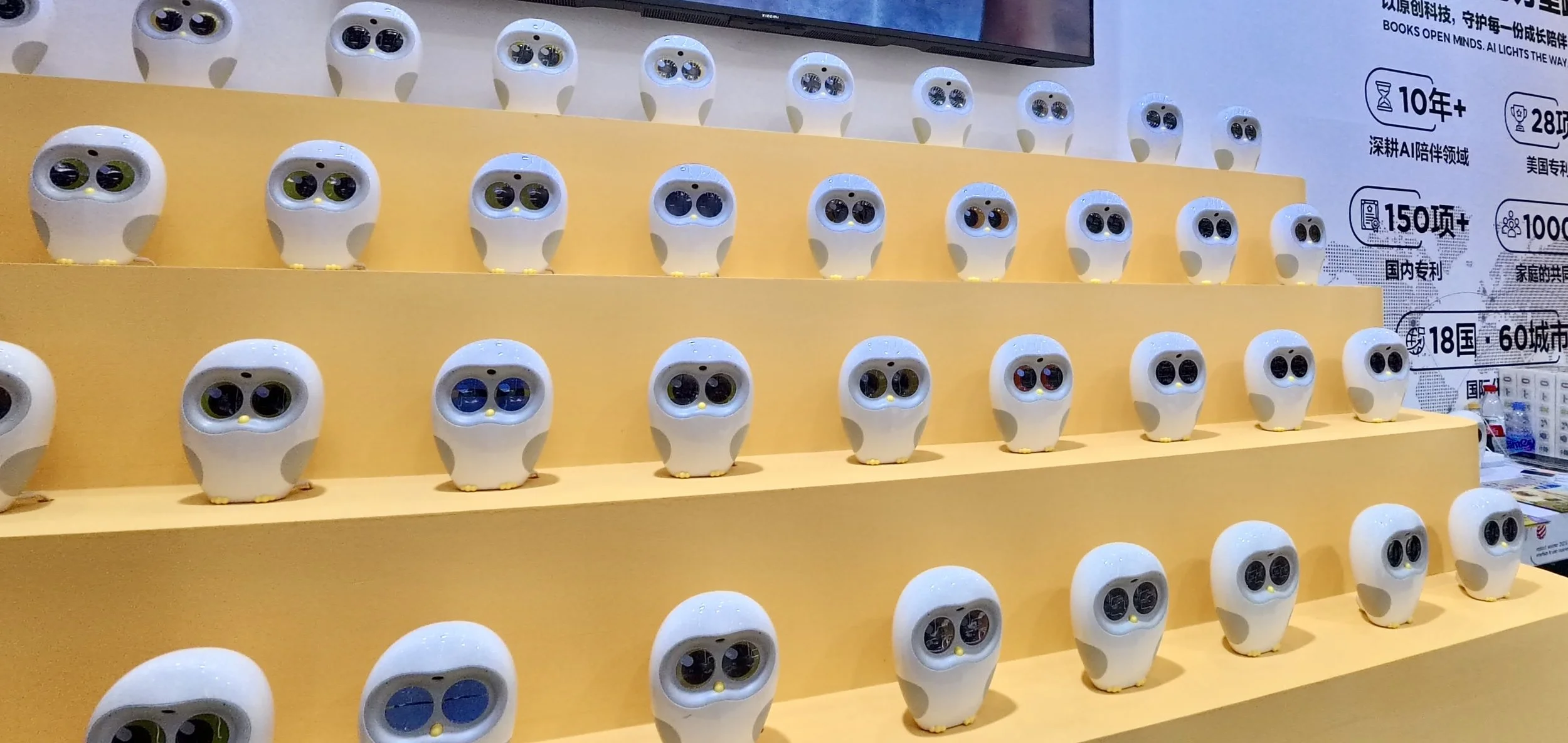
One of the most striking observations at the fair was the interest in AI technology among traditional manufacturers, many with decades of expertise in materials and production.
The focus is moving beyond physical design towards responsiveness and interaction. Sensors and intelligent technologies are increasingly being integrated into soft toys, enabling them to listen, react and adapt.
The ambition is to create not just products, but companions.
This development reflects a broader trend that we at Singing Grass describe as the Emotional Economy, in which the value of a product is increasingly shaped by the emotional connection it creates with consumers, alongside its function and design.
2. An Ecosystem Accelerating Innovation
This transformation is not happening in isolation.
Across several industry sessions, a recurring theme was the connection between government policy, technological infrastructure and creative innovation.
From access to computing resources to targeted subsidies for AI-driven creative projects, China's evolving ecosystem is helping businesses experiment, develop and bring new ideas to market more rapidly.
China is increasingly operating as a manufacturing base, a consumer testing ground and a centre for creative and technological innovation.
For international businesses, understanding this ecosystem offers valuable insight into how emerging consumer trends and product innovations are taking shape.
3. Rethinking Localisation and Global Reach
One of the longstanding challenges for Chinese intellectual property (IP) entering international markets has been localisation — addressing not only language differences but also cultural nuances.
At the fair, I encountered early-stage products with real-time multilingual interaction built directly into their hardware.
A toy developed in Shenzhen could potentially communicate with consumers in different languages without extensive market-specific adaptation.
While cultural relevance remains essential, these developments suggest that some traditional barriers to international expansion could be reduced by integrating intelligent technologies earlier in the product development process.
The opportunity is not simply to export products, but to create experiences that can resonate with consumers across markets.
Outlook: The Intersection of Technology, Emotion and Culture
What we observed in Shenzhen points towards a broader evolution in China's creative industries, where technological innovation and emotional engagement are becoming increasingly interconnected.
At Singing Grass, we describe this emerging concept as Perceptive Connectivity — the intersection of technology, emotion and cultural understanding.
For international brands, publishers and IP owners, the implications extend beyond the toy industry. As consumer expectations evolve, the ability to create responsive, emotionally engaging and culturally relevant experiences could become an increasingly important source of competitive advantage.
Understanding these developments in China offers a valuable perspective on the future of the global creative economy.
This article is part of Singing Grass Insights, exploring China's evolving markets, consumer trends and the global creative industries.