
The future of marketing: the emotional economy and reverse culture flow
This article was first published in the Spring Issue of Licensing Magazine - Bologna Licensing Trade Fair/Kids
We are entering what can best be described as the emotional economy: a landscape in which relevance is built less through aspiration or persuasion and more through connection, reassurance and shared experience. In this environment, successful brands no longer define culture from the top down. Instead, they respond to behaviours and desires already forming within communities in real time.
Why emotional consumption has become dominant
Across generations, people are navigating a world that feels increasingly difficult to predict or control. Rising living costs, housing insecurity, delayed life milestones and constant exposure to crisis-heavy narratives have reshaped how value is perceived. For many, traditional markers of progress no longer feel stable or attainable in the near term, quietly changing why people buy in the first place.
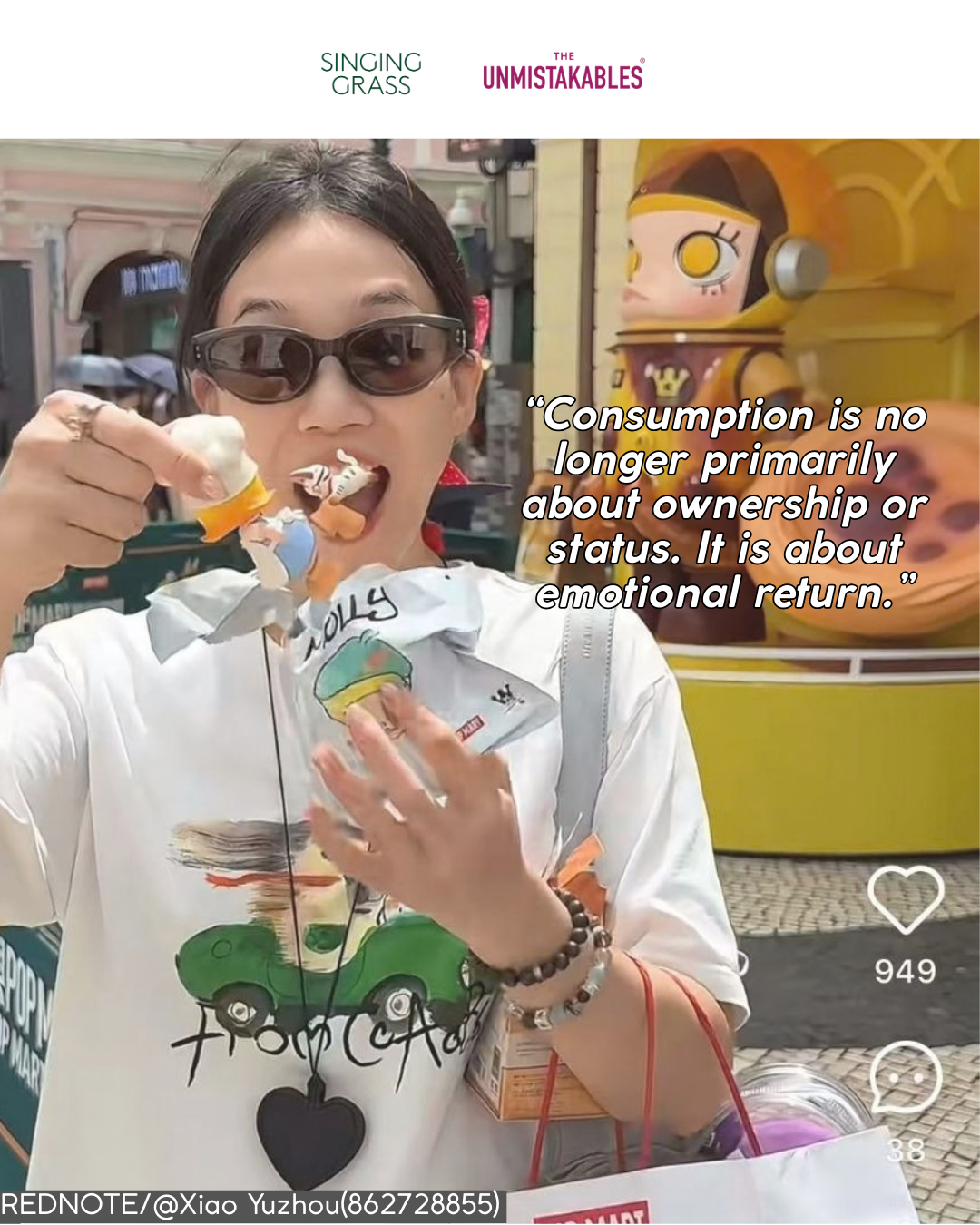
Consumption is no longer primarily about ownership or status. It is about emotional return. Products, brands and experiences are expected to provide comfort, escape, reassurance or joy within everyday life. This has fuelled the rise of nostalgia and anemoia - a longing for times imagined as simpler, safer or more playful, even when never personally lived. Crucially, this is not about the past itself, but about what those imagined moments represent emotionally: lightness, closeness and shared experience.
At its core, emotional consumption reflects a deeper desire for connection in an overwhelming world.
From passive audiences to participatory consumers
This emotional shift has fundamentally changed the relationship between brands and people. Audiences are no longer content to be marketed at. They expect to be invited into experiences they can shape, share and respond to.
Buying, sharing and interacting with brands now functions as a form of self-expression and social participation. Consumption has become visible, communal and culturally loaded. As a result, relevance is no longer built through message repetition, but through participation.
This is particularly evident among Gens Z and older Alphas, whose spending increasingly prioritises experiences, collectability and moments that create memory rather than long-term ownership. The rise of the ‘kidult’ reflects this shift clearly: adults engaging in play, toys and fandom not as escapism, but as a practical emotional response to pressure. These behaviours offer comfort, creativity and low-stakes joy without the weight of aspiration or performance.
Brands that succeed here don’t force meaning onto products. They create conditions for people to project meaning themselves.
Community, belonging and the premium of analogue
As digital life becomes more embedded in everyday behaviour, something counterintuitive has happened: physical and analogue experiences have become more valuable, not less.
Retail is no longer just a place to transact. It has evolved into a social and cultural environment: spaces where people can gather, participate and feel a sense of belonging beyond home, work or school. In a world of constant online connection, moments of physical presence and shared experience feel emotionally premium.
This is why experiential retail, playful environments and community-led activations are resonating so strongly. People are returning to physical spaces because they are seeking experiences that feel human, embodied and socially real. The most effective brands understand the loop between digital and physical: online discovery leads to in-real-life participation, which in turn fuels sharing, conversation and advocacy.
In the emotional economy, retail success is defined less by efficiency and more by the role a brand plays in people’s lives.
Reverse culture flow and the decentralisation of influence
Alongside this emotional shift is a structural one: cultural influence is no longer organised around a single centre.
Global culture no longer flows from one dominant market outward. Influence now moves fluidly across platforms, communities and regions, shaped by shared feeling rather than geography. Cultural relevance emerges wherever people are actively participating, remixing and sharing — often simultaneously across different markets.
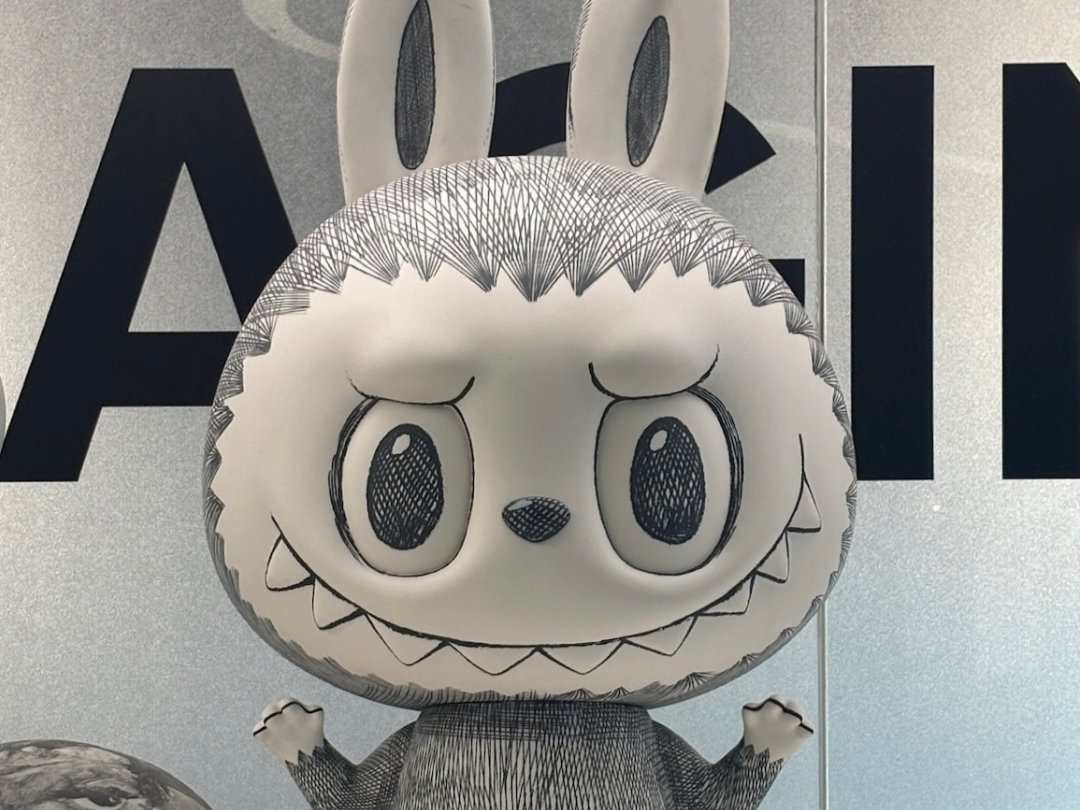
This is visible across entertainment, fashion, literature and fandom. From the global dominance of Anime — now a top-three genre in the Americas and Europe reaching up to 35% of 12–17 year olds — to the 'kidult' craze for Labubu or the enduring ecosystem of Pokémon, stories and aesthetics rooted in specific cultural contexts increasingly resonate globally. Stories, aesthetics and formats rooted in specific cultural contexts increasingly resonate globally, not because they have been flattened for mass appeal, but because they feel emotionally precise. What travels now is not uniform messaging, but recognisable feeling.
For younger generations especially, culture is modular and instinctively mixed. There is no single cultural default. Influence is drawn from everywhere and valued for how it feels rather than where it originates. Aspiration is no longer tied to one dominant reference point.
For brands, this has profound implications. Global relevance today is built through emotional consistency combined with cultural adaptability, rather than standardisation.
What this means for brands and CMOs
The future of marketing belongs to brands that understand this recalibration and respond to it structurally, not superficially.
First, consumer demand now leads brand behaviour. People signal what they want through social behaviour and participation long before brands act. Speed, responsiveness and emotional literacy are no longer optional.
Second, relevance is built through participation, not persuasion. Brands need to create moments people can engage with, reinterpret and share.
Third, community has become a primary engine of growth. Advocacy, peer recommendation and shared experience now matter more than paid reach in a landscape defined by scepticism and advertising fatigue.
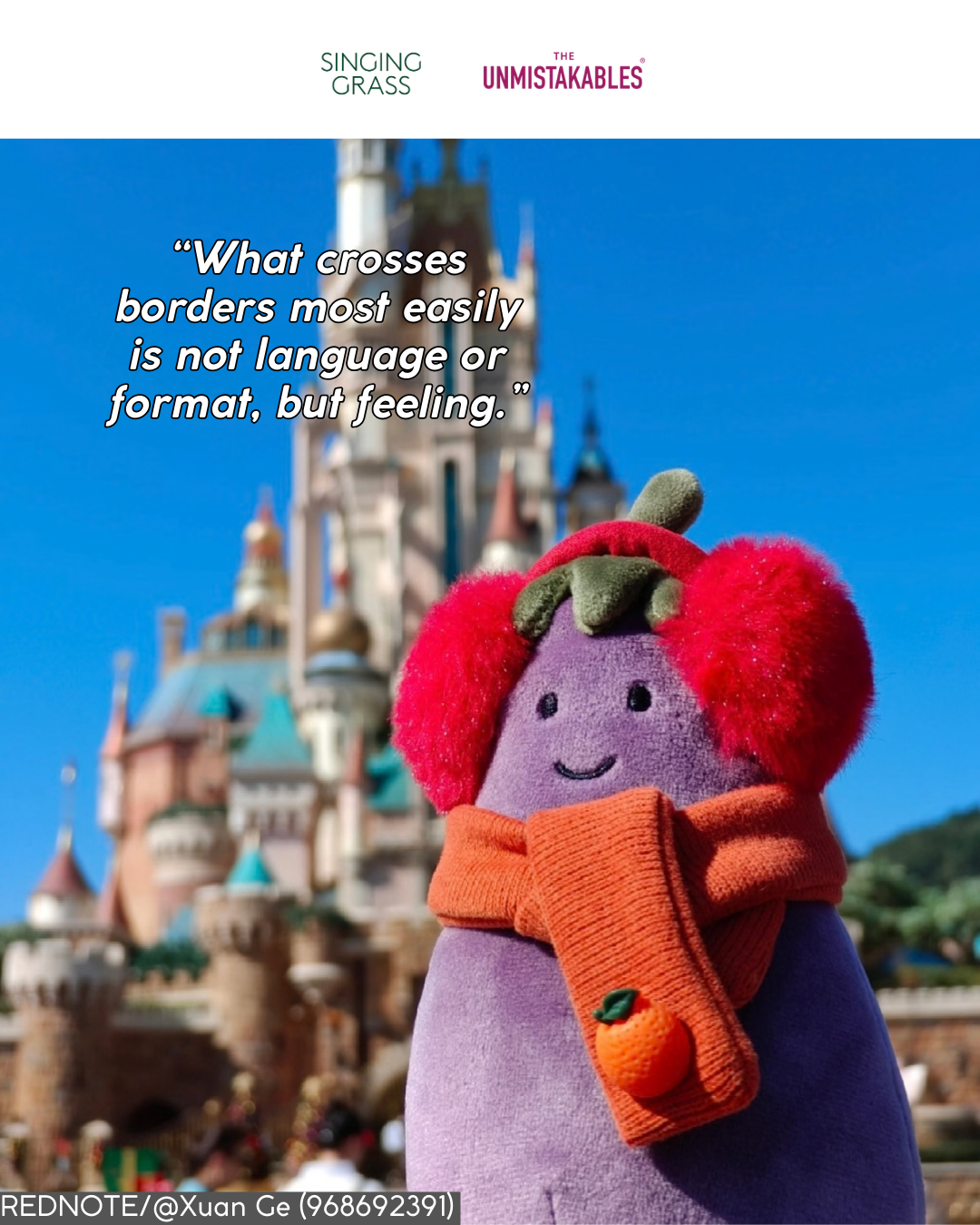
And finally, emotion scales. In a decentralised cultural landscape, what crosses borders most easily is not language or format, but feeling.
As we look ahead to the year to come, the brands that will define the next era won’t be the loudest or the fastest. They will be the ones that understand how people are feeling, how culture is moving, and how to create digital and physical spaces where people genuinely want to belong.
That is the real opportunity of the emotional economy.
This article was co-authored by Alicia Liu, Founder and CEO of Singing Grass, and Shilpa Saul, Partner at The Unmistakables.