

Singing Grass Insights | BIBF 2026 Special
What Beijing revealed about the future of publishing, AI and cultural IP
This article expands on an opinion piece by Alicia Liu first published by BookBrunch after BIBF 2026, with additional insights and observations from the Singing Grass team.
The Beijing International Book Fair has always been one of the world's most important rights marketplaces. This year, however, something felt noticeably different.
Across five days in Beijing, it became increasingly clear that publishing is no longer being discussed in isolation. Conversations about books now sit alongside artificial intelligence, digital storytelling, consumer brands, licensing, illustration and gaming. Rather than viewing these as separate industries, BIBF 2026 presented them as parts of a much broader creative ecosystem.
Perhaps the greatest irony of BIBF 2026 was that, despite the dominance of AI conversations, it was literature—and the enduring power of storytelling—that remained at the centre of the fair.
For international publishers, the fair offered a valuable opportunity to observe how one of the world's largest publishing markets is responding to changing reader behaviour and new technologies. While every market develops differently, many of the conversations taking place in Beijing are likely to resonate far beyond China.
Singing Grass Insight #1
Publishing is evolving from a linear industry into a connected content ecosystem.
AI is already becoming part of publishing infrastructure

Artificial intelligence was undoubtedly one of the dominant themes throughout BIBF 2026, yet the conversation felt notably pragmatic. Rather than debating whether AI should be used, publishers were demonstrating how it is already supporting editorial workflows, multilingual publishing, research, content discovery and audience engagement.
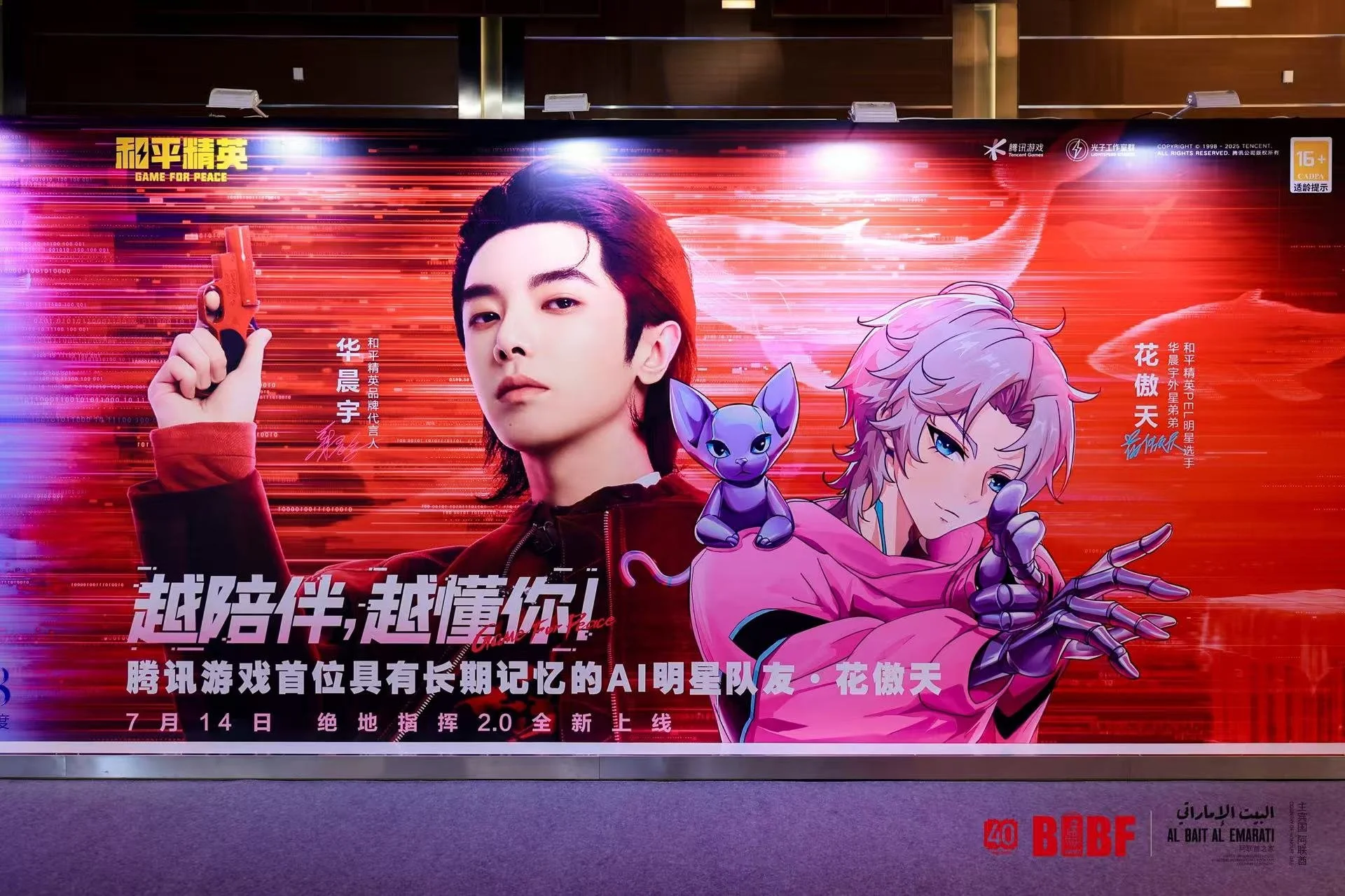
Beyond publishing houses themselves, digital platforms are reshaping how stories are created and consumed. ByteDance's Fanqie Novel, whose ambition is to encourage "people who don't read books to start reading", illustrates how publishing increasingly intersects with mobile entertainment. A successful story may begin as a web novel before evolving into a microdrama, animation, game or licensed consumer product, sometimes returning to print only after building a substantial audience elsewhere.
This represents less a replacement of books than an expansion of the publishing ecosystem itself.
Singing Grass Insight #2
In China, stories increasingly move across formats before returning to print, creating multiple entry points for readers and audiences.
Children's publishing points towards a transmedia future
Nowhere was this convergence more visible than within the BIBF Children's Book Fair.
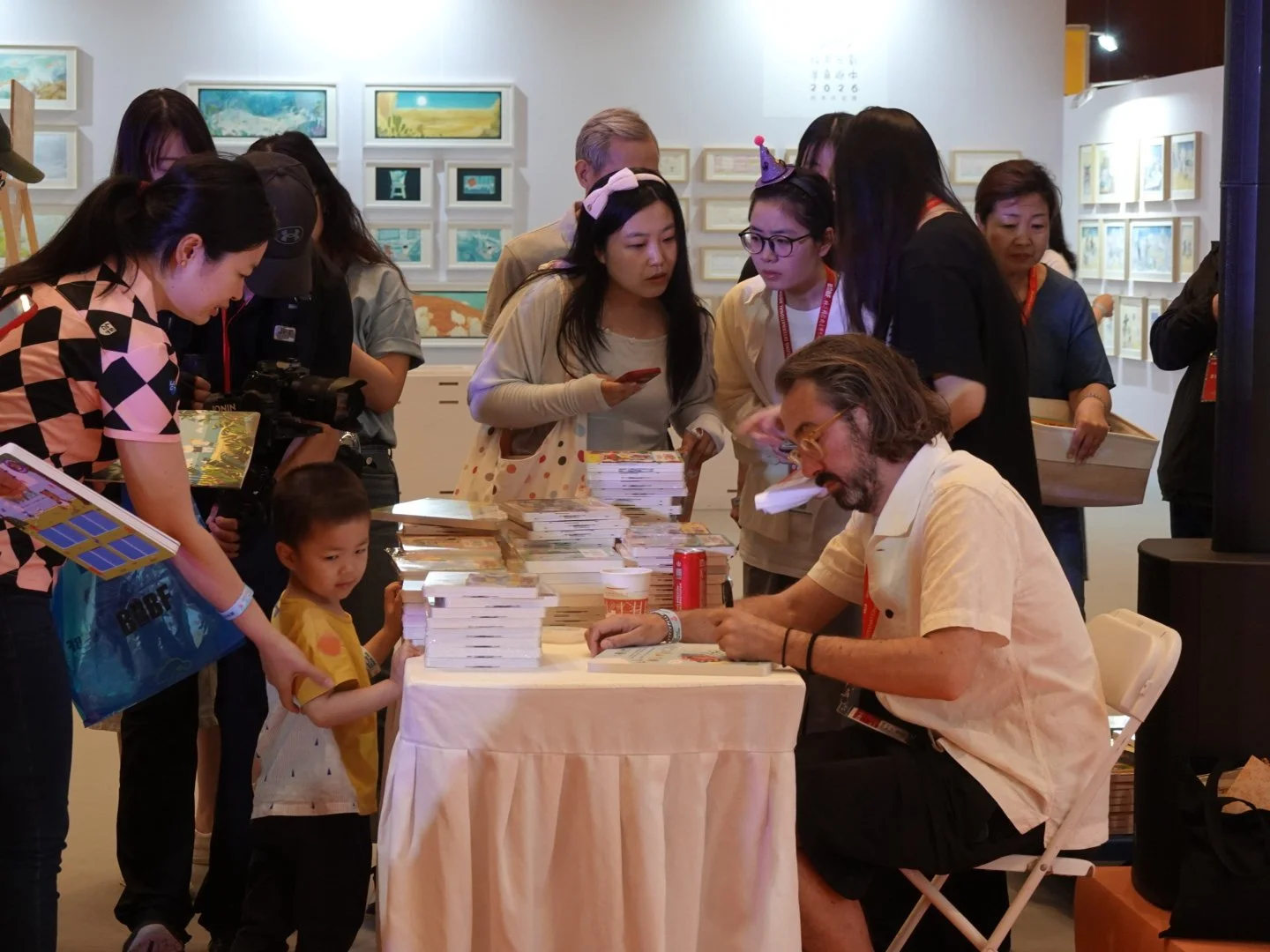
UK illustrator Benji Davies signing for Bizzy Bear Chinese fans
British author and illustrator Benji Davies attracted long queues of families celebrating the tenth anniversary of Bizzy Bear in China, with book signings accompanied by livestreaming and online fan engagement. Nearby, visitors explored Pop Mart's Molly exhibition, while Harry Potter and Warrior Cats continued to demonstrate the enduring appeal of international publishing brands.
At the opening of the Children's Book Awards, the energetic performance by Chinese children's group Potato Kingdom further reinforced how publishing is increasingly intersecting with entertainment, performance and fan culture. The experience suggested that children's publishing in China is no longer centred solely on books, but on building immersive worlds where stories, characters and communities evolve together.

Design and visual culture take centre stage
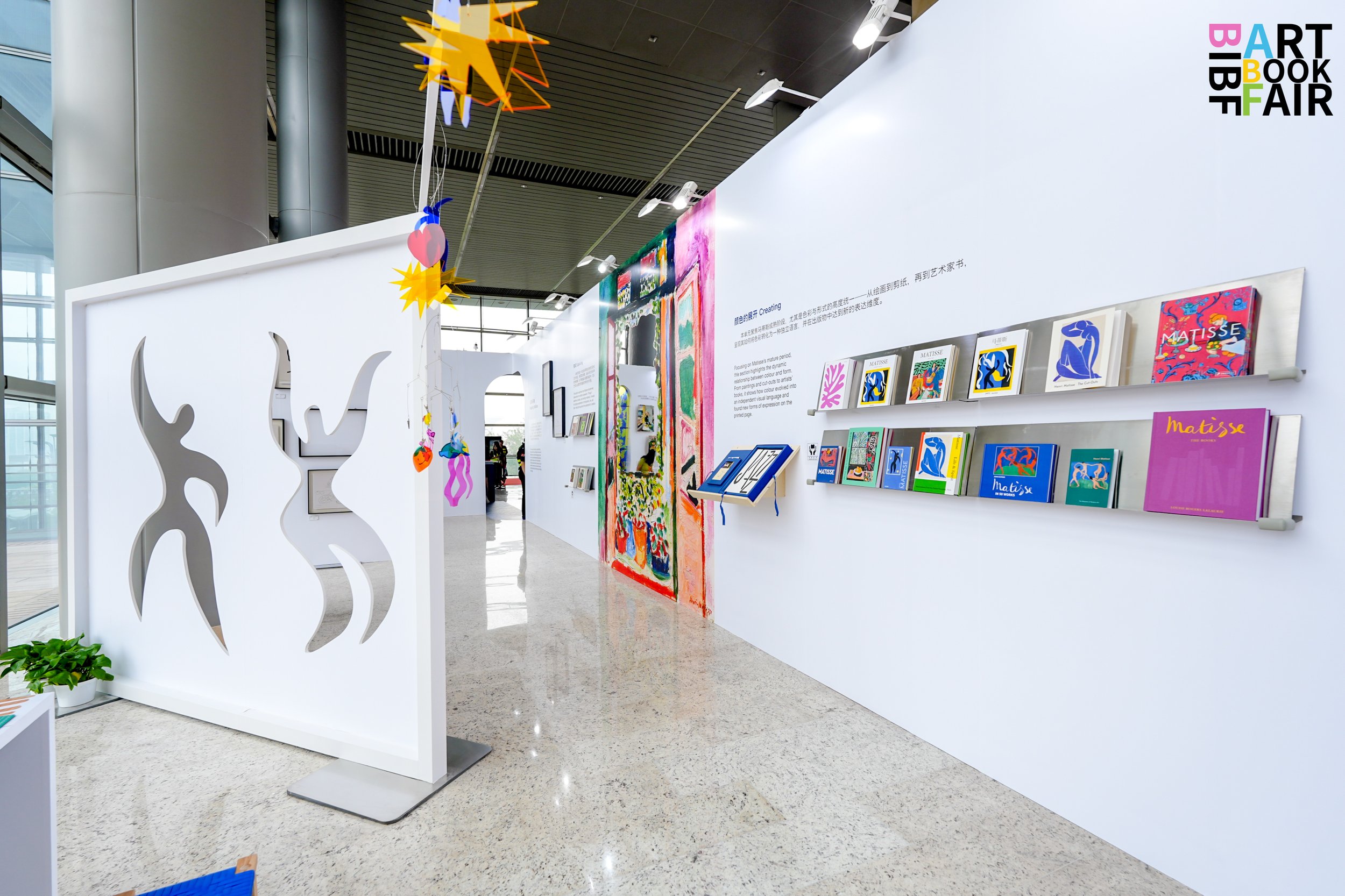
Another noticeable shift this year was the growing prominence of design and visual storytelling. BIBF's Art Book Fair, themed Between Colors, Difference Emerges, celebrated everything from Penguin Classics' anniversary and Reading Matisse to international book design and illustration.
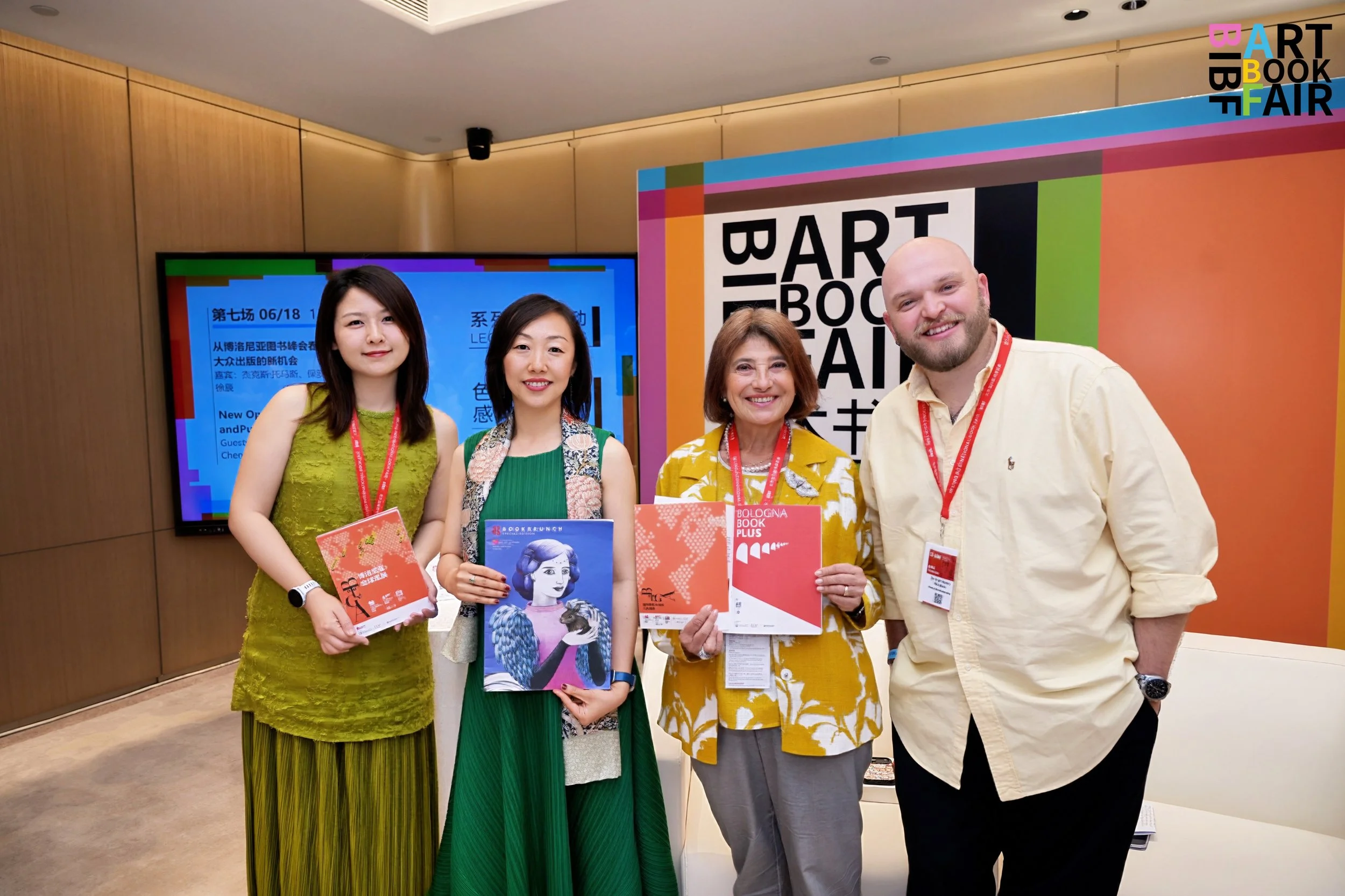
A seminar organized by Singing Grass with BolognaBookPlus, curated by Jacks Thomas, Guest Director, brought together Elena Pasoli (Bologna Children’s Book Fair), Paul Black (The Bright Agency) and Xu Chen (Phoenix Publishing) to explore how illustration and design have become central to publishing strategy, particularly as younger readers increasingly discover stories through images and fan communities before encountering the book itself.
Singing Grass Insight #3
The future of publishing is not simply about books or technology, it is about connecting literature, design, digital media, communities and cultural experiences.
When literature meets technology
Perhaps the most valuable lesson from BIBF 2026 is not about technology at all. It is about recognising that books increasingly exist within a much wider cultural landscape.
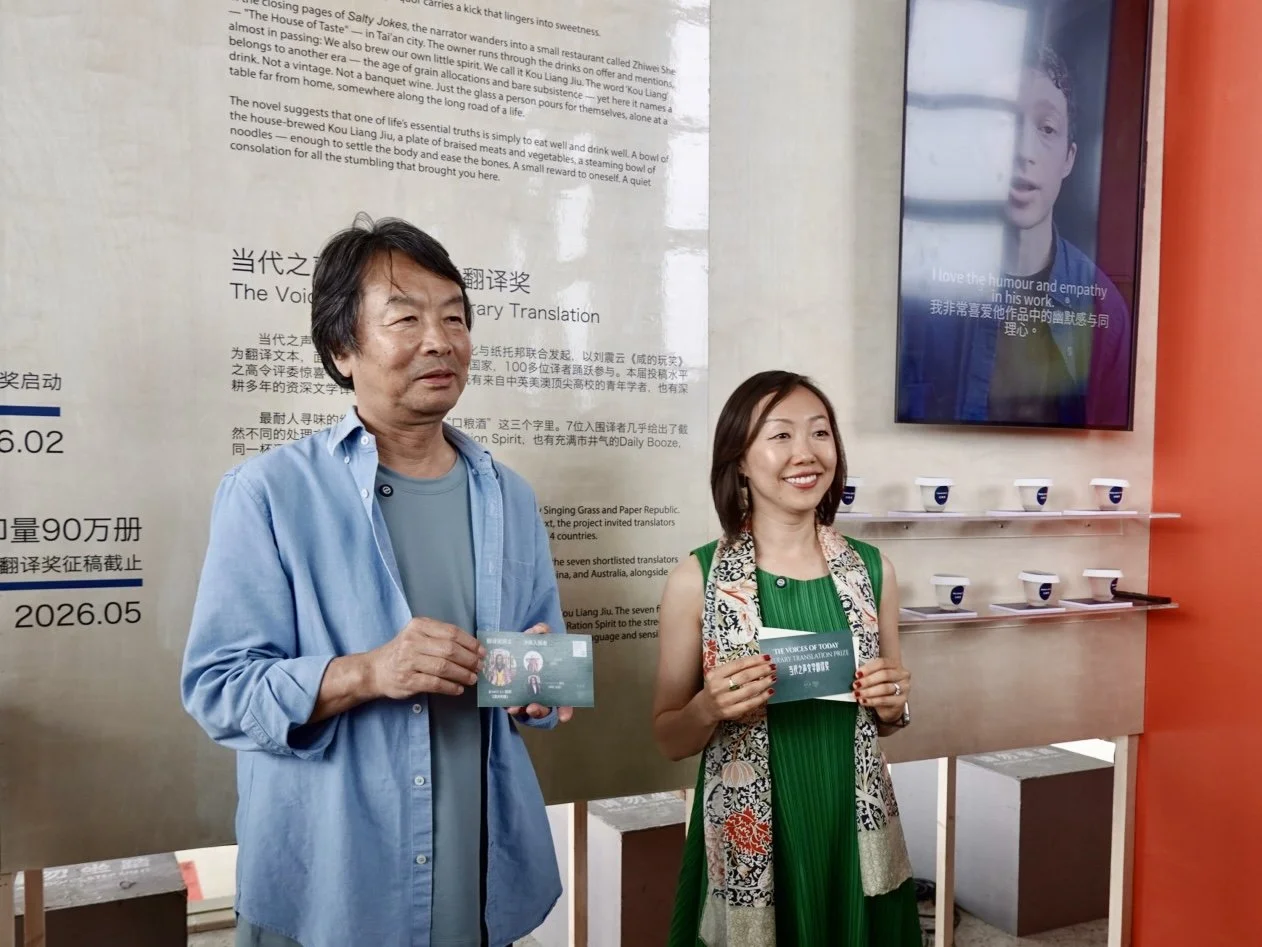
One of the most talked-about sessions of this year's fair brought together two figures who rarely share the same stage: Liu Zhenyun, one of China's most celebrated contemporary novelists and BIBF Reading Ambassador, and Lei Jun, billionaire tech entrepreneur, founder and CEO of Xiaomi, electric vehicle and consumer technology giant.
Their discussion was not about smartphones or book sales. Instead, it explored creativity, social media, public opinion and how technology is reshaping the way stories circulate in society. This conversation epitomised the fair's central paradox: technology and publishing are increasingly intertwined, yet the most compelling moments remained rooted in human storytelling.

About Singing Grass Insights
Singing Grass Insights explores the trends shaping publishing, culture, intellectual property and consumer behaviour between China and international markets. Through original research and on-the-ground reporting, we help publishers, brands and cultural organisations understand one of the world's fastest-changing creative economies.